2
Haydn–Mozart
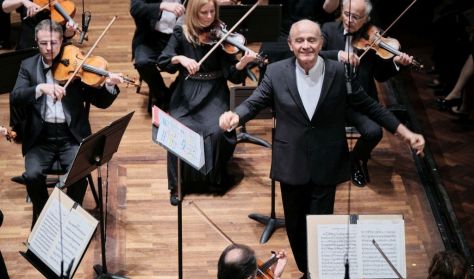
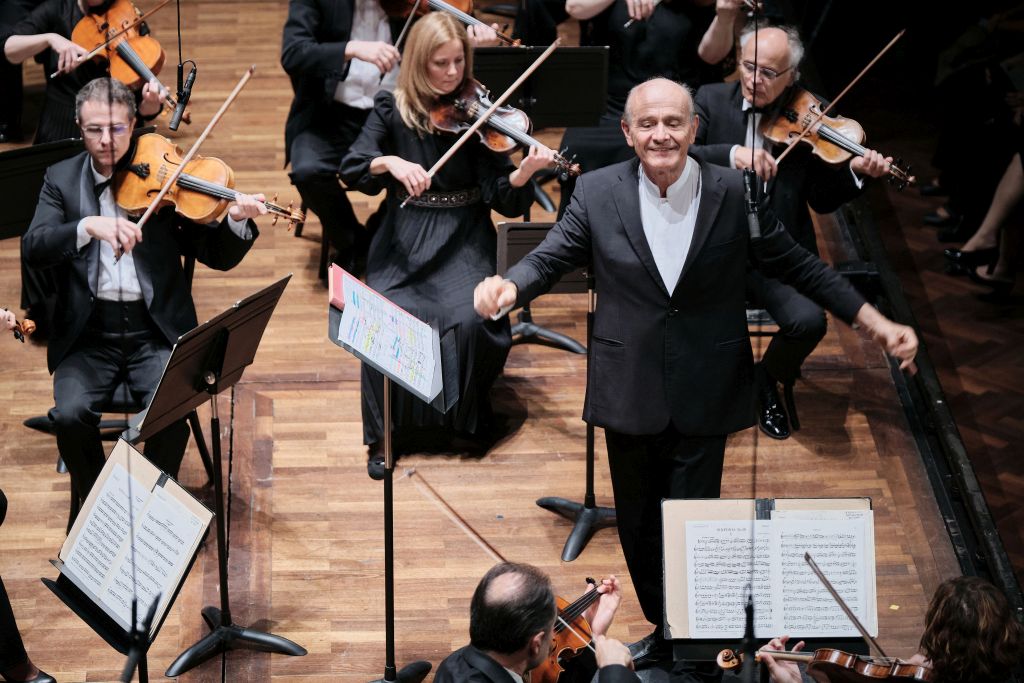
The next instalment in Gábor Takács-Nagy’s Haydn–Mozart series is here! Fortunately for us, the symphonic oeuvre of the two great Viennese classical composers is abundant enough to keep the conductor inspired. more
The next instalment in Gábor Takács-Nagy’s Haydn–Mozart series is here! Fortunately for us, the symphonic oeuvre of the two great Viennese classical composers is abundant enough to keep the conductor inspired. more
Ön egy múltbeli eseményre keresett rá. Kérjük, válogasson aktuális kínálatunkból a Jegy.hu keresőjében!
Last event date on this page: Sunday, October 19 2025 3:30PM
Joseph Haydn: Symphony No. 87 in A major, Hob. I:87
Wolfgang Amadeus Mozart: Horn Concerto No. 4 in E-flat major, K. 495
Symphony No. 40 in G minor, K. 550
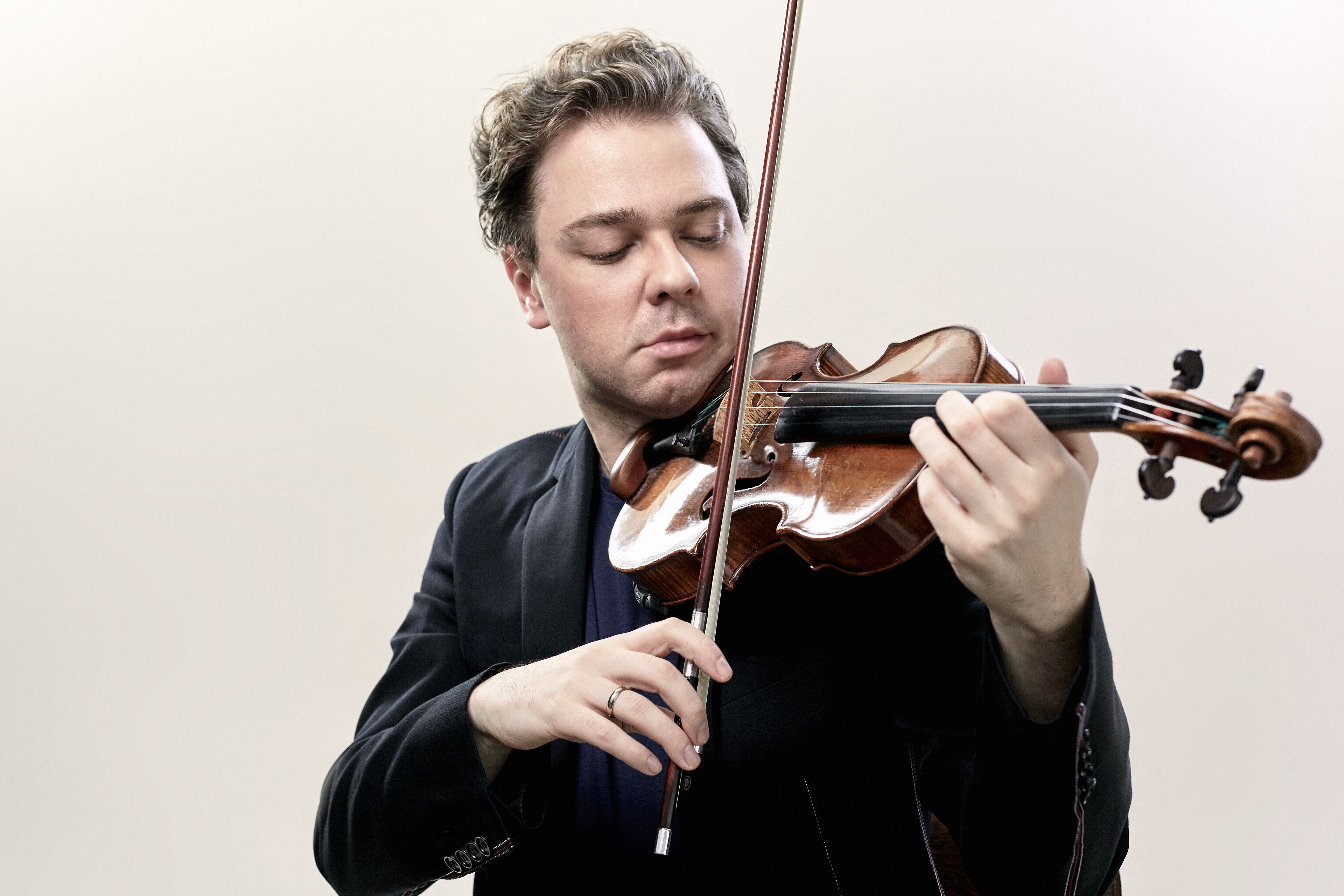
Dávid Bereczky, horn
conductor: Gábor Takács-Nagy
The “fantastic positive life energy and vitality” make the art of the two composers inexhaustible, and the conductor even sees their music as a spiritual remedy. The concert is bookended by the first of Haydn’s Paris symphonies, which opened the door to international success for him, and one of the highlights of Mozart’s symphonic output, the “great” Symphony No. 40 in G minor. In between, we’ll hear Mozart's (hunting) horn concerto with soloist Dávid Bereczky. The musician has been a member of the Budapest Festival Orchestra since 2001, and has spearheaded many pieces as a soloist.
In 1785 Haydn was commissioned to compose six symphonies for the newly formed Concert de la Loge Olympique concert society in Paris. The revival of the French musical scene was ideal for the composer: he could finally think on a larger scale than that afforded to him at the court of count Esterházy. Symphony No. 87 was the first to be completed among the six symphonies that ushered in his mature period. Instead of having a slow introduction, the opening movement immediately sets the jubilant mood of the piece. In the dreamy adagio, the flute, bassoon, and oboe take center stage. The latter also plays a solo in the playful and intimate trio of the spirited minuet. The piece ends with an imaginative, tirelessly energetic, joyful finale.
Mozart’s friend from Salzburg, Joseph Leutgeb moved to Vienna in 1777. When Mozart joined the virtuoso horn player four years later, his first Viennese composition was dedicated to Leutgeb. In the years that followed, Mozart wrote four horn concertos and a quartet for his friend. He entertained (or irritated) Leutgeb with a variety of annotations and remarks. For instance, he wrote the manuscript of Horn Concerto No. 4 in four different colored inks, perhaps as a code for dynamics. The piece was officially written for “hunting horn,” which refers the natural horn used in that time period, but its virtuoso passages even challenge players with modern instruments. In the first and third movements, the challenge lies in the chromatic sounding and the embellishments, while in the melodious romance the lyrical tone is a source of difficulty - and delight.
Barely two years later, in the summer of 1788 Mozart, composed his last three symphonies. The E-flat major, the “great” G minor, and the “Jupiter” symphonies together seem to form a cohesive whole, where the playful overture and the majestic finale are connected by a dramatic passage: a rare minor-key piece for the composer. The piece that exuded “Greek lightness” to Schumann is perceived with a tragic tone today. Instead of a loud call to attention, the opening movement begins with a quiet sense of excitement and agitation. The continuous interrogation eventually leads to a chasm reminiscent of Don Giovanni. Following the sighs of the somewhat consoling slow movement, a lively minuet ensues, succeeded by a finale that resounds with wild horns: eerie at times, but ultimately radiant.
World-renowned pianist Péter Bence returns to Budapest with a spectacular new show On October 10, 2026, an extraordinary musical experience awaits audiences in Budapest: world-famous piano virtuoso Péter Bence will perform his brand-new concert program on the stage of the MVM Dome. The new show promises not only fresh compositions and breathtaking piano performances but also a more stunning visual concept, innovative stage solutions, and a mysterious special guest — ensuring it will be one of the most memorable musical events of the year.
A Müpa fesztiváljának látogatói pedig éppen 20 éve élvezhetik a hazai Wagner-fieszta semmihez sem fogható hangulatát.
A Broadway történetének egyik legsikeresebb darabja idén nyáron a Szegedi Szabadtéri Színpadon mutatkozik be, Szente Vajk rendezésében az Erkel produkciójában.
Misztikum, szenvedély és sötét titkok a színpadon – érkezik a Rebecca musical!
item(s) in basket
total:
Time limit has expired. Please, put item(s) in to basket again.