Jean Sibelius: King Christian II — suite, Op. 27
Ludwig van Beethoven: Piano Concerto No. 4 in G major, Op. 58
Magnus Lindberg: Chorale
Jean Sibelius: Symphony No. 7 in C major, Op. 105
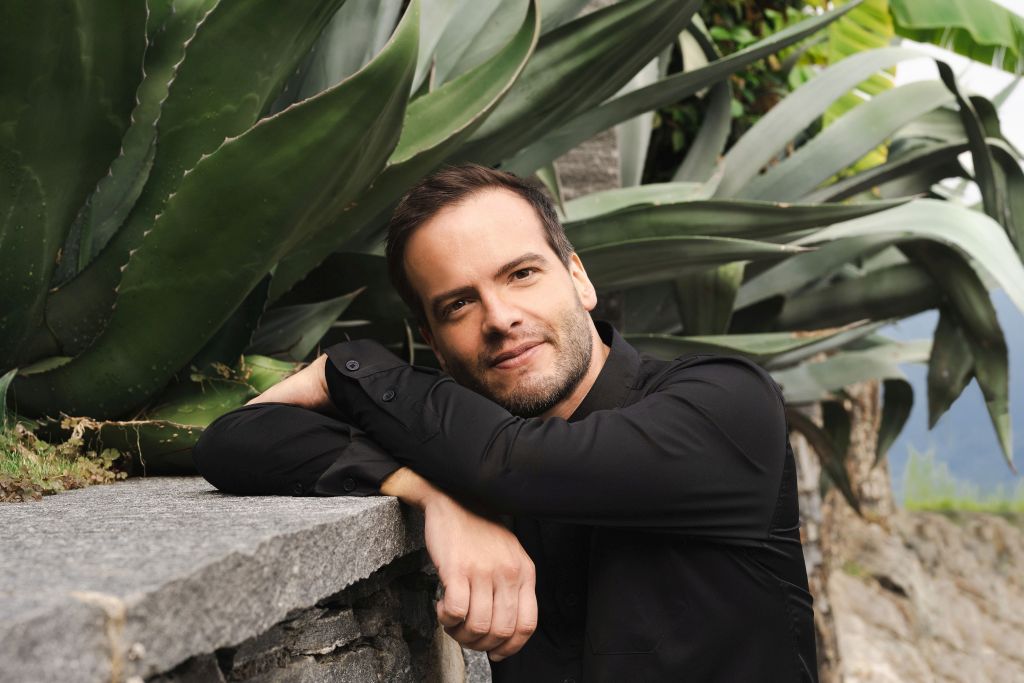
Francesco Piemontesi (piano)
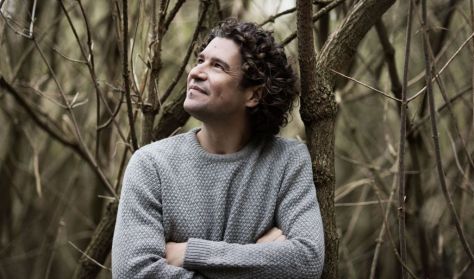
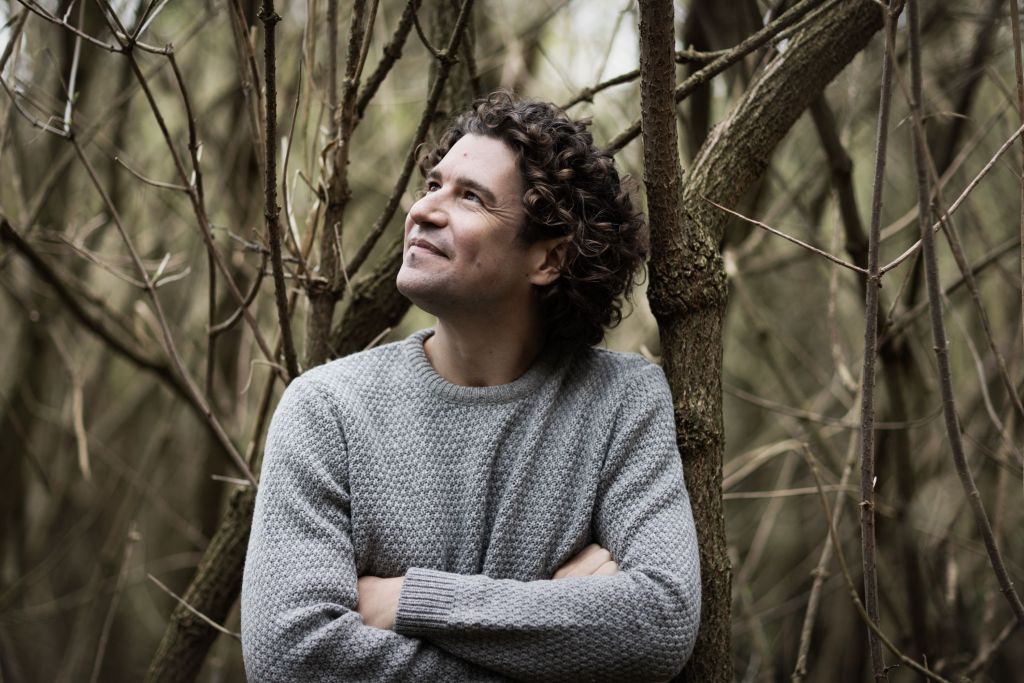
Conductor: Robin Ticciati
The program is framed by two pieces from Sibelius: the composer’s first theatrical incidental music foreshadows the future world of Symphony No. 1, while Symphony No. 7 stands as the pinnacle of his oeuvre. In between, the orchestra performs contemporary Finnish composer Magnus Lindberg’s chorale parody, and the last piano concerto that Beethoven composed for his own enjoyment. The soloist of the latter is Francesco Piemontesi, who combines “stunning technique with an intellectual capacity that few can match.”
The movements written for the historical play depicting the love story of King Christian II are the earliest examples of Sibelius’ numerous theatrical incidental compositions. The ruler of Denmark, Norway and Sweden never fully trusted the aristocracy, and even had a middle class concubine, the daughter of a Dutch merchant, Dyveke Sigbritsdatter. The plot, culminating in the Stockholm Bloodbath of 1520, inspired Sibelius to compose seven movements, which he later condensed into a five-movement suite in 1898. The nocturne peppered with tambourine evokes a love scene, followed by an elegy and Dyveke's dance played on strings. Lastly, the suite concludes with a stormy ballad after the sweeping ball serenade.
Beethoven’s second-to-last piano concerto was a crucial milestone in his life: he lost his hearing not long after the piece was completed and premiered. In contravention of the rules of the period, the concerto begins with a solo piano instead of the usual orchestral overture — a first in the history of music. The second movement is the passionate and tense dialogue of two worlds; Liszt thought that it was a musical representation of the Orpheus story. The finale resolves the often introspective work with a cheerful rondo.
“Lindberg is one-man living proof that the orchestra is not dead,” writes Simon Rattle of the contemporary specialist of orchestral pieces. Esa-Pekka Salonen also holds the work of his compatriot in high esteem: he launched a project with the London-based Philharmonia Orchestra in 2001, where Lindberg's works were performed alongside the music that inspired the composer. Thus, in 2002, Lindberg's Chorale preceded Berg's Violin Concerto, which builds on the same melody as Berg's finale. The Bach chorale that starts with the words “Es ist genug" appears here with distinctive harmonies and increasingly rich orchestral colors presented as compact variations.
Intended to be a three-movement piece, Sibelius’s Symphony No. 7 ended up being a single movement. It was introduced under the title Fantasia Sinfonica, and was later categorized as a symphony. In 1915, fragments of melodies emerged, and in 1917, the idea was born but the piece was only completed in 1924. Sibelius allowed his musical themes to guide the structural formation of this symphony. The brilliance of the piece lies in the fact that the composer crafted almost imperceptible transitions between the opening section that begins darkly but brightens in its slow burn, the scherzos that dance on the boundary between playfulness and tension, and the triumphant finale.